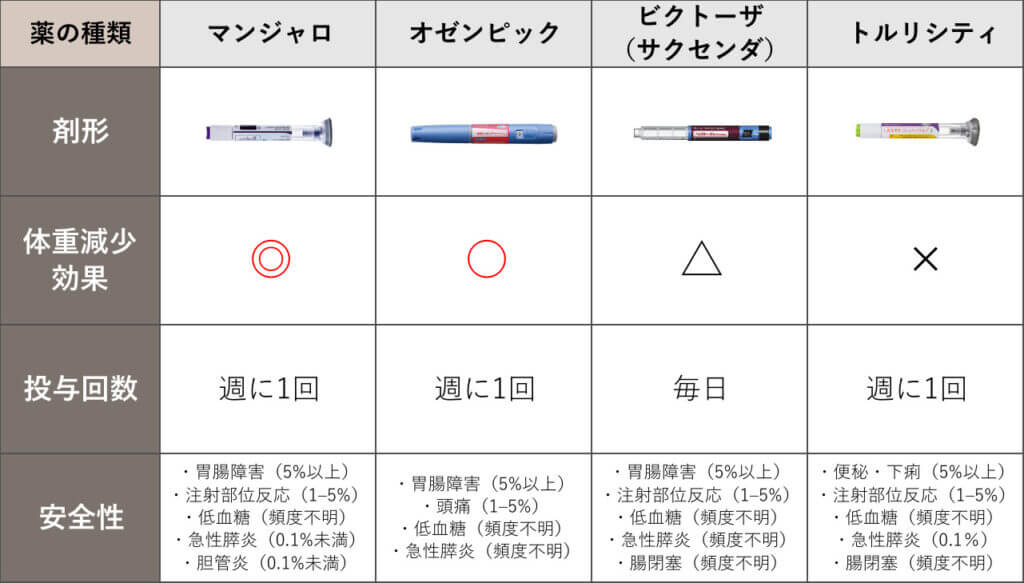
Side Effects Both forms share similar semaglutide side effects, primarily gastrointestinal symptoms including nausea (46.6%), vomiting (30.9%), and constipation (20.1%)
Role of extracellular matrix in development and cancer progression
GLP-1 receptor activation reduces antral motility, alters pyloric function, slows gastric transit, and contributes to nausea, early satiety, bloating, and postprandial fullness in susceptible patients
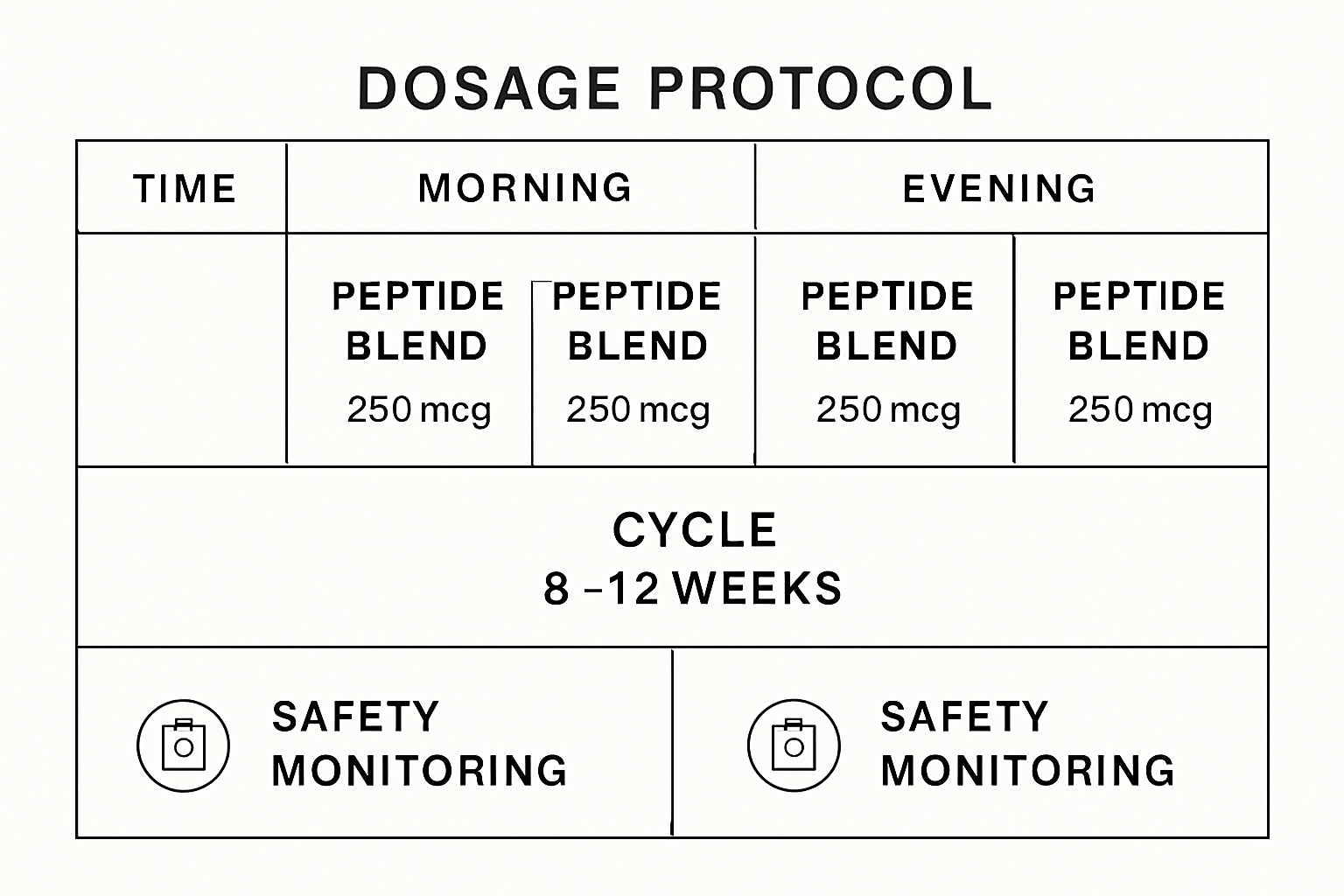
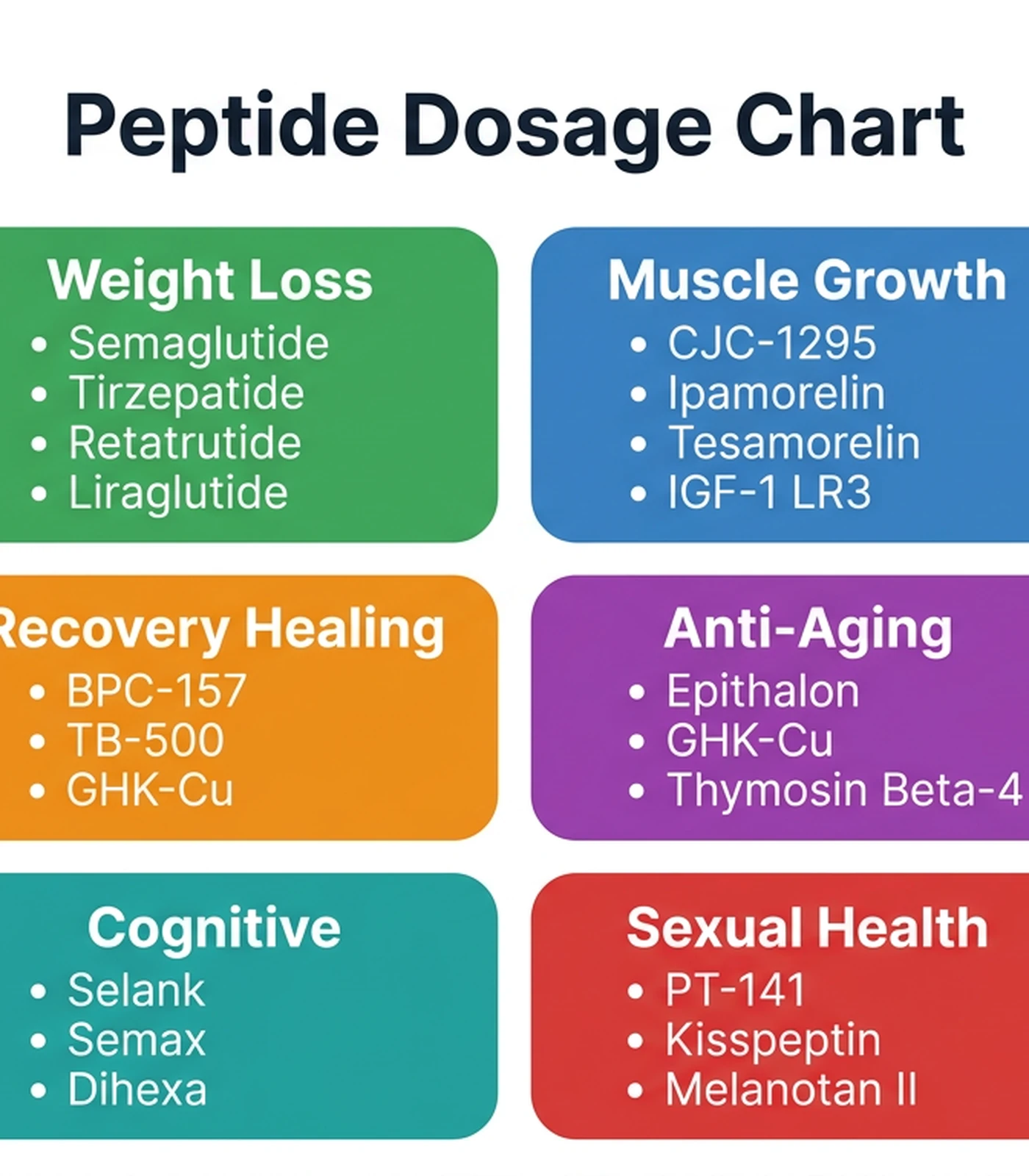
Protocol approach: post-surgical shoulder recovery Goal: Accelerate healing, reduce retear risk, optimize tissue quality Peptide approach: BPC-157: 300 to 500 mcg daily, starting as soon as cleared by surgeon (typically one to two weeks post-op) TB-500: 750 to 1000 mcg twice weekly GHK-Cu: 200 to 400 mcg daily from week three to four post-op Duration: Eight to sixteen weeks, aligned with surgical recovery timeline Critical notes: Any peptide use after surgery should be discussed with and approved by the operating surgeon
By July 31, 2025, the FDA had received 605 reports of adverse events linked to compounded semaglutide and 545 reports for compounded tirzepatide
However, microsurgery necessitates the presence of expensive equipment and special surgical skills