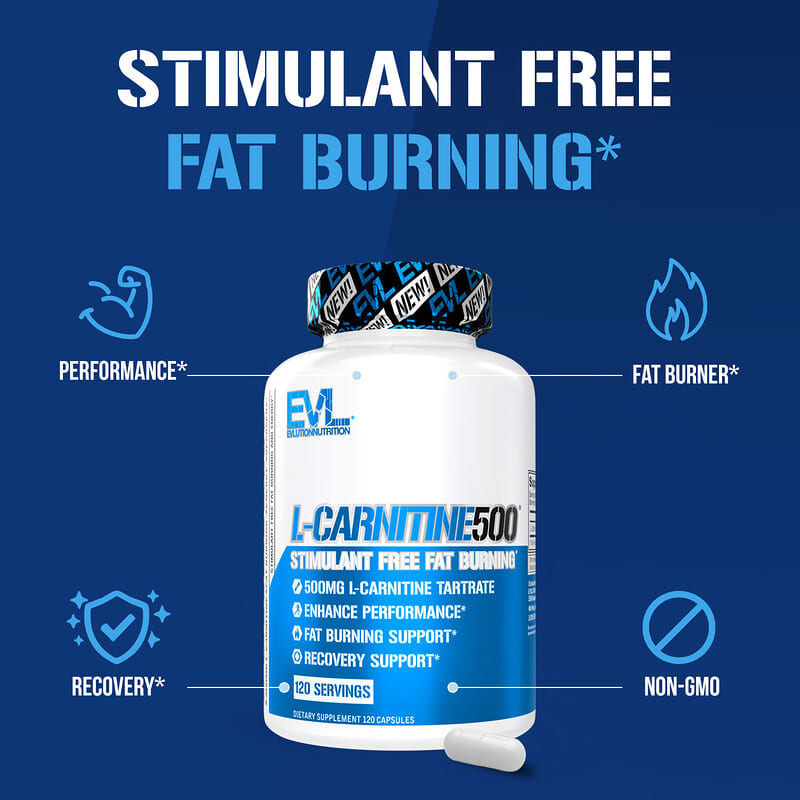

Athletic Performance and Recovery In performance-focused settings, L-carnitine has been shown to: Improve aerobic capacity and endurance Reduce muscle soreness and improve recovery time Support lean muscle preservation during cutting phases Enhance oxygen utilization and mitochondrial function 3
Support athletic performance
Anticonvulsants (Valproic Acid) Treatment with valproic acid, phenobarbital, phenytoin, and carbamazepine reduces blood levels of carnitine [1][71][72][73]
Stress, depression, and neuroplasticity: a convergence of mechanisms
Both melena and hematochezia are symptoms, not actual conditions
In this study, 3 g of carnitine was ingested each day followed by four 500 ml (17 fl oz) beverages that each contained 94 g of carbohydrate