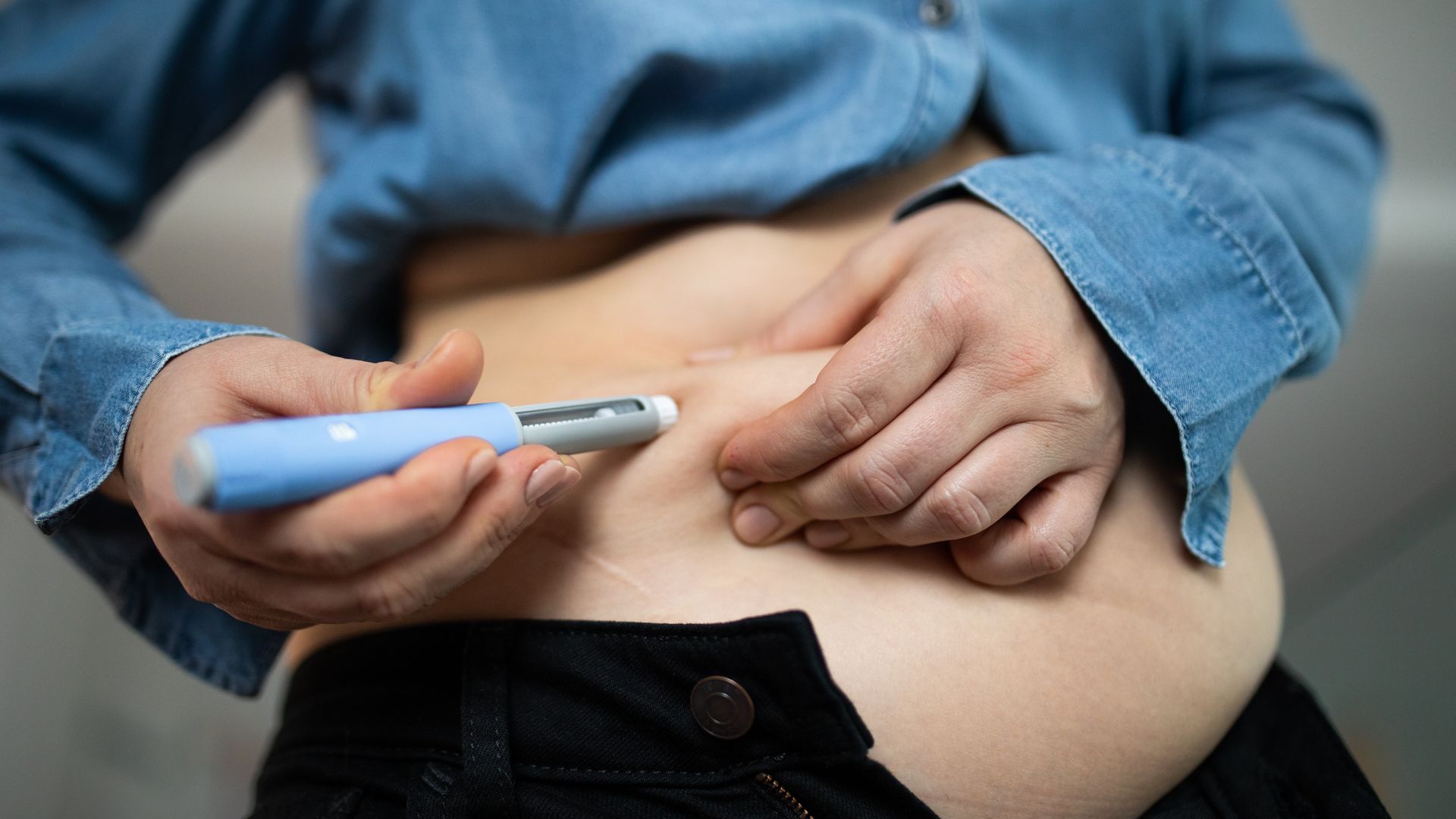
PPIs may be recommended to relieve some side effects of GLP-1s, such as heartburn and acid reflux, but only for a short time
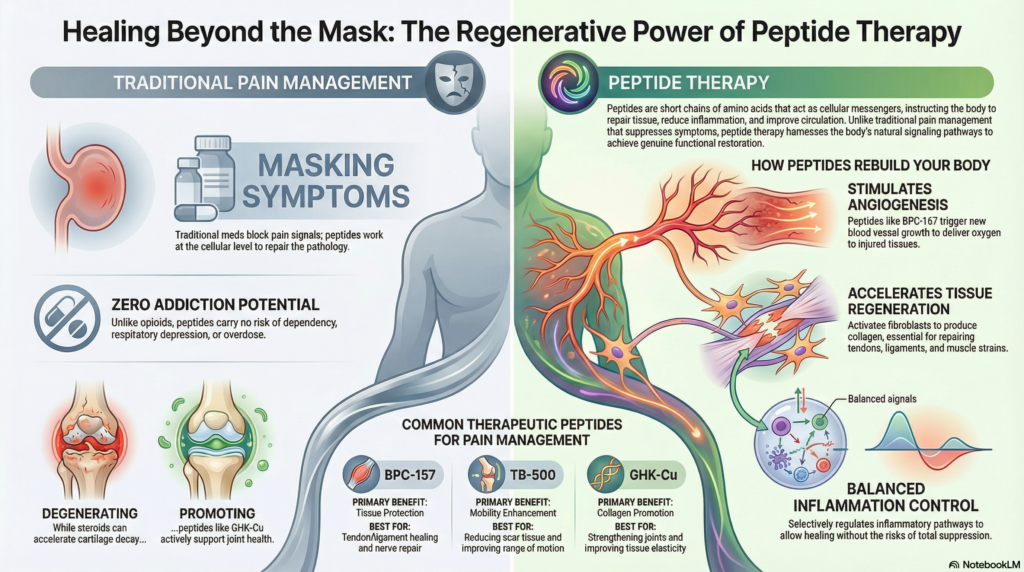
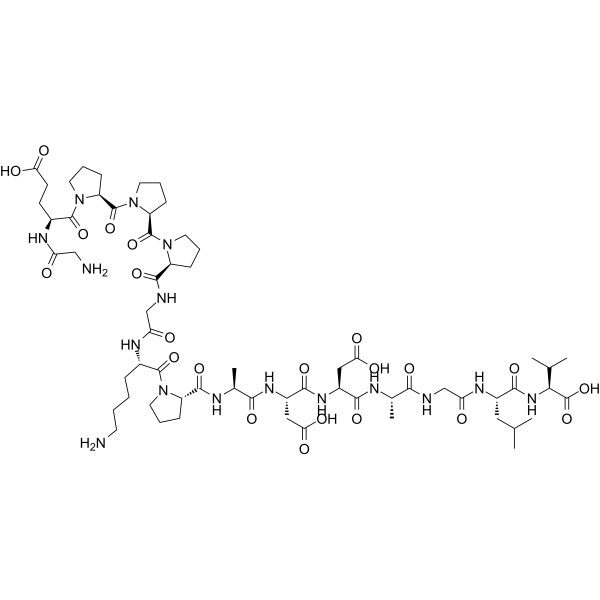
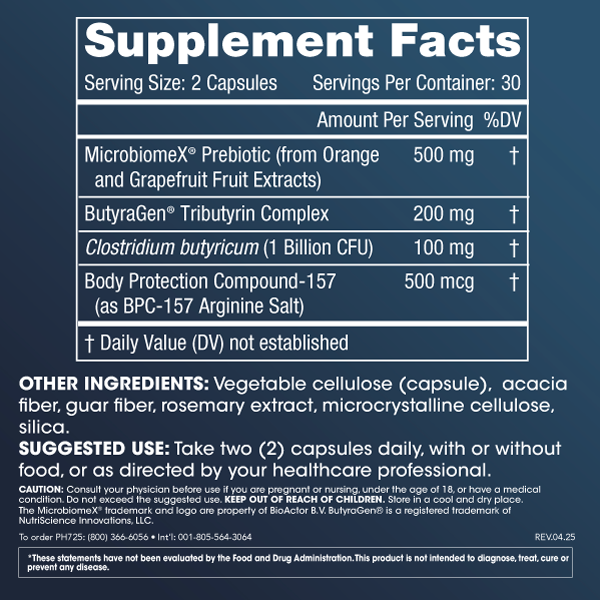
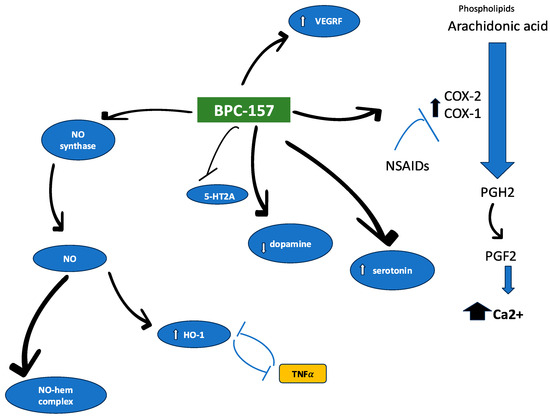
For example, researchers from a 2016 review of data on the gut-brain axis and BPC-157 explain that the peptide could maintain gastrointestinal mucosa, modulate serotonergic and dopaminergic systems, regenerate peripheral nerves, protect certain neurons, counteract various types of lesions, promote wound healing, and more.7 Some of these possible benefits are due to BPC-157s promotion of the cell migration of vascular endothelial cells.24 This means that the peptide can encourage the formation of new blood vessels (also known as angiogenesis)
Perhaps these reasons will give you a little perspective from where your doctor is coming from when you hear their responses
The subsequent procedures have been described in a previous study 21
Alternatives and Personalized Approaches to GLP-1 Therapy If depression or mood instability emerges during semaglutide treatment, options include dose reduction, switching to a different GLP-1 medication with different pharmacokinetics, or temporarily pausing therapy while addressing the underlying mood disorder with psychiatric support
[1] [23] There is only preliminary clinical research to indicate the use of L-carnitine supplementation for improving symptoms of type 2 diabetes, such as improving glucose tolerance or lowering fasting levels of blood glucose



![Physio: “How's your shoulder feeling?” Patient: “Good! I started BPC-157 peptides last week.” Physio: [Googles furiously in real time] Raise your hand if peptide talk is suddenly part of every…](https://media.licdn.com/dms/image/v2/D5622AQH0-lMWLRoM-w/feedshare-shrink_800/B56ZfDXOMlHQAg-/0/1751329337195?e=2147483647&v=beta&t=i8_D-UDUZVD34e9aeQZmBD6mVzOR_hO1uoSQYs4lN80)