Each study was rated as having low, some concerns, or high risk in various domains, including random sequence generation, allocation concealment, selective reporting, blinding of participants and personnel, blinding of outcome assessment, incomplete outcome data, and other biases ( 2.5 Statistical analysis The mean change and SD between baseline and last follow-up for TG, TC, HDL, LDL, VLDL, BMI, systolic BP, and diastolic BP in the intervention and control arms were extracted
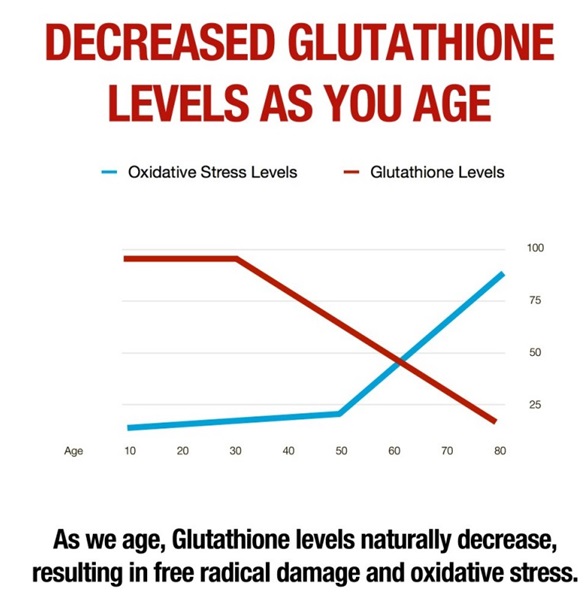
A variety of factors may determine glutathione requirements, including level of exposure to toxins, increased phase I detoxification activity, and overall need for antioxidant support
10.1097/MD.0000000000003549 Medicine 163 YueZ.YangX
Cellular glutathione concentrations typically range from 110 millimoles per liter, with concentration highest in liver, red blood cells, and immune cells
Nutrients (2021) 13:2028
Key benefits Why people compare it 1 Modulates 4,000+ genes (6% of human genome) toward healthier expression 2 70% improvement in skin laxity in double-blind clinical trials 3 35% increase in procollagen synthesis and dermal thickness 4 Suppresses 2,550 genes linked to inflammation, fibrosis, and metastasis 5 Promotes osteoblast differentiation and fracture healing 6 Neuroprotective activity in ischemia cell culture models 7 Reduces fibrinogen expression (cardiovascular risk marker) 8 Endogenous compound with established safety profile since 1973 discovery Deep research About GHK-Cu (Copper Peptide) GHK-Cu (glycyl-L-histidyl-L-lysine:copper(II)) is a naturally occurring tripeptide-copper complex with a molecular weight of approximately 403.93 Da (including the copper ion)