Appetite suppression through dopamine modulation Central appetite control: Tesofensine acts on hypothalamus Affects arcuate nucleus (appetite center) Different pathway from GLP-1 receptors Direct neurotransmitter modulation Rapid onset (hours not days) Dopamine's role in eating: Mediates food reward (hedonic eating) High-dopamine = reduced food seeking Decreases obsessive food thoughts Reduces binge eating tendencies Similar to ADHD medication effects Subjective appetite changes reported: Reduced hunger (moderate, not as strong as semaglutide ) Less food preoccupation Earlier satiety (smaller portions satisfying) Reduced cravings especially for high-calorie foods More mental focus on non-food activities Appetite suppression comparison: Why dopamine approach different: Addresses psychological/behavioral eating Reduces food as reward behavior Helps with emotional eating Less GI side effects than GLP-1s But creates stimulant-like dependency risk Clinical trial results and efficacy Evidence from human studies
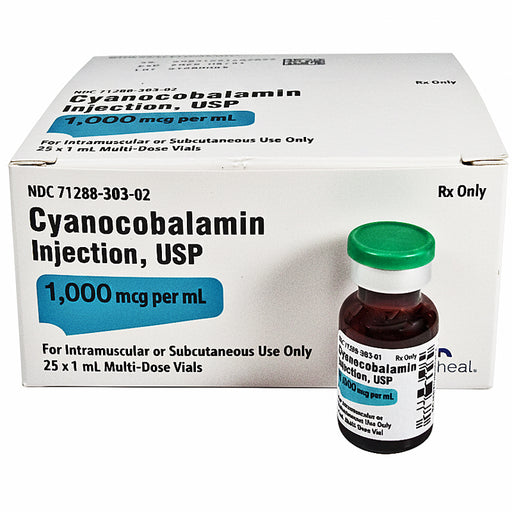
Some are confined to specific counties or zip codes, while others are state-wide
[DOI] [PubMed] [Google Scholar] Tach Y, Kolve E, Maeda-Hagiwara M, Kauffman GL Jr., Jr Central nervous system action of calcitonin to alter experimental gastric ulcers in rats
Book Your Appointment: If you would like to talk to one of our professionally trained team, simply request a callback to discuss our treatments at a time that works for you
More movement means more calories burned
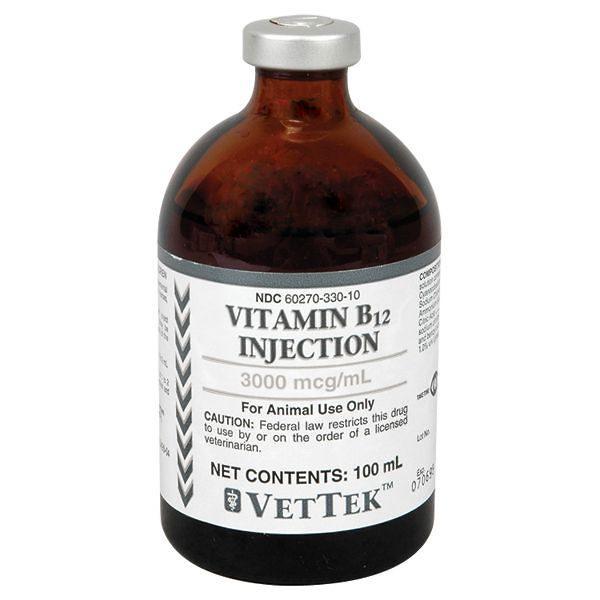
Yes, this injection can also be used for improving muscular performance, fattening, breeding, and other purposes














![Briefe an eine Freundin [engel-26606] 3388](https://cdn.shopify.com/s/files/1/0903/8521/9915/files/1_20250517_163427_0000_694696ac-b333-4e50-b4c0-b523592a7d63.png?v=1784934728)