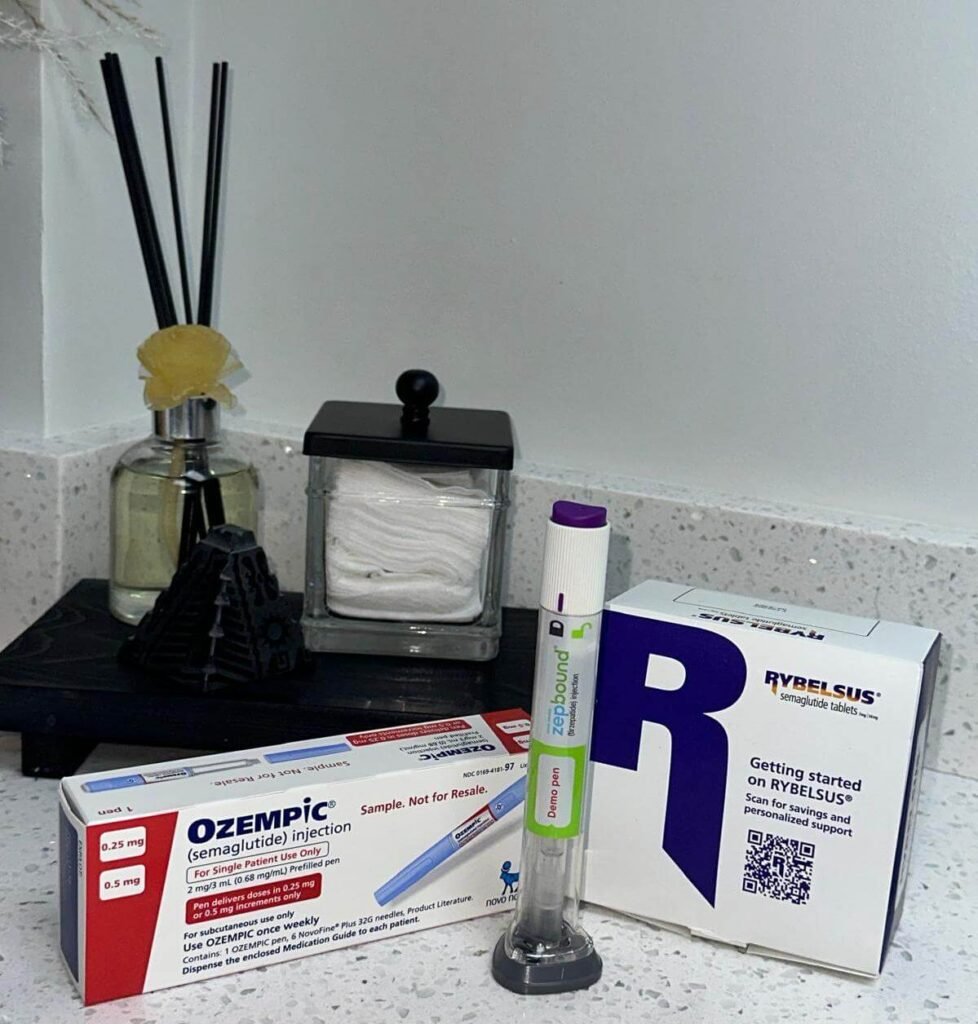
Urgent situations requiring immediate medical attention include: Severe, persistent abdominal pain (with or without vomiting), which may indicate pancreatitis Signs of gallbladder disease (right upper quadrant pain, nausea) Persistent vomiting leading to inability to keep fluids down or signs of dehydration Specific situations requiring consultation include: Persistent gastrointestinal symptoms (nausea, vomiting, diarrhea) lasting beyond the initial adjustment period Unintended weight loss exceeding clinical targets or occurring too rapidly Signs of nutritional deficiency such as fatigue, weakness, hair loss, brittle nails, or neurological symptoms Difficulty meeting protein or caloric needs through diet alone Consideration of high-dose supplements or specialized nutritional products Use of multiple supplements or herbal products with potential interactions Need for medication adjustments if also taking insulin or sulfonylureas to prevent hypoglycemia Patients who are pregnant, planning pregnancy, or breastfeeding should discuss all medications and supplements with their healthcare provider, as certain products may be contraindicated

Reported preclinical effects on sleep architecture and stress endpoints are not of a magnitude that would predict robust clinical signal even if a clean delivery system were available
Understanding both the clinical protocols and the billing codes ensures that patients receive appropriate care while providers maintain financial sustainability
GHRP-2 (Growth Hormone Releasing Peptide) is a 2nd-generation Growth Hormone Secretagogue (GSH)
On rare occasions, the potential side effects of increased gas, loose stools, flushing, and weight gain have been reported
While BPC-157 has a strong safety record in animal studies, there are currently no long-duration, placebo-controlled human trials available to confirm its effects over months or years