According to NICE guidance , investigations may include blood tests (full blood count, inflammatory markers, specific infection serology), ultrasound imaging, or referral for specialist assessment if concerning features are present
Your grandmother is not going to go on Telegram, he said
Li C, Deng C, Zhou S et al (2018) High-throughput and sensitive determination of urinary zearalenone and metabolites by UPLC-MS/MS and its application to a human exposure study
Myasoedova VA, Bozzi M, Valerio V, Moschetta D, Massaiu I, Rusconi V, Di Napoli D, Ciccarelli M, Parisi V, Agostoni P et al
, Tween 80
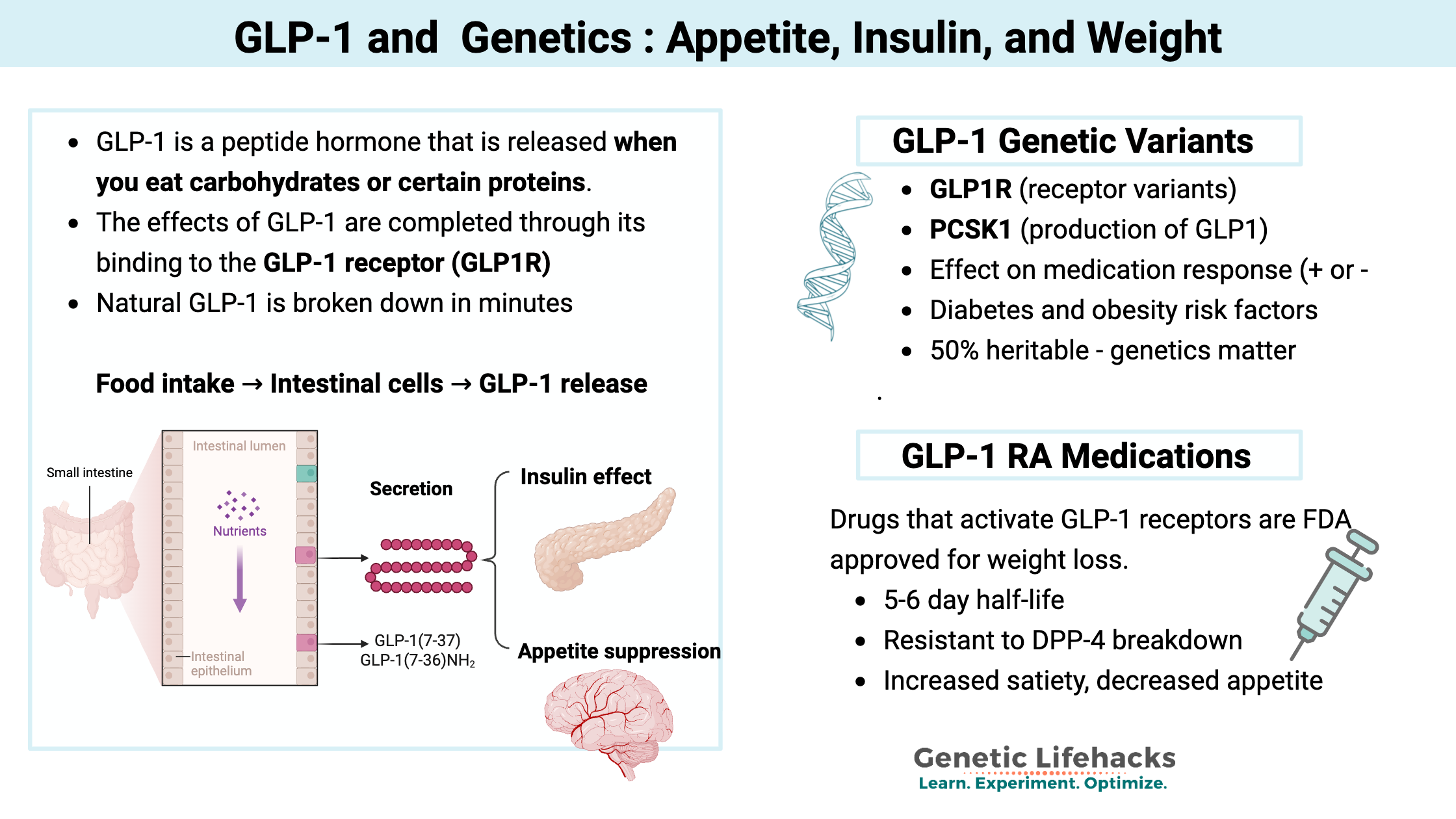
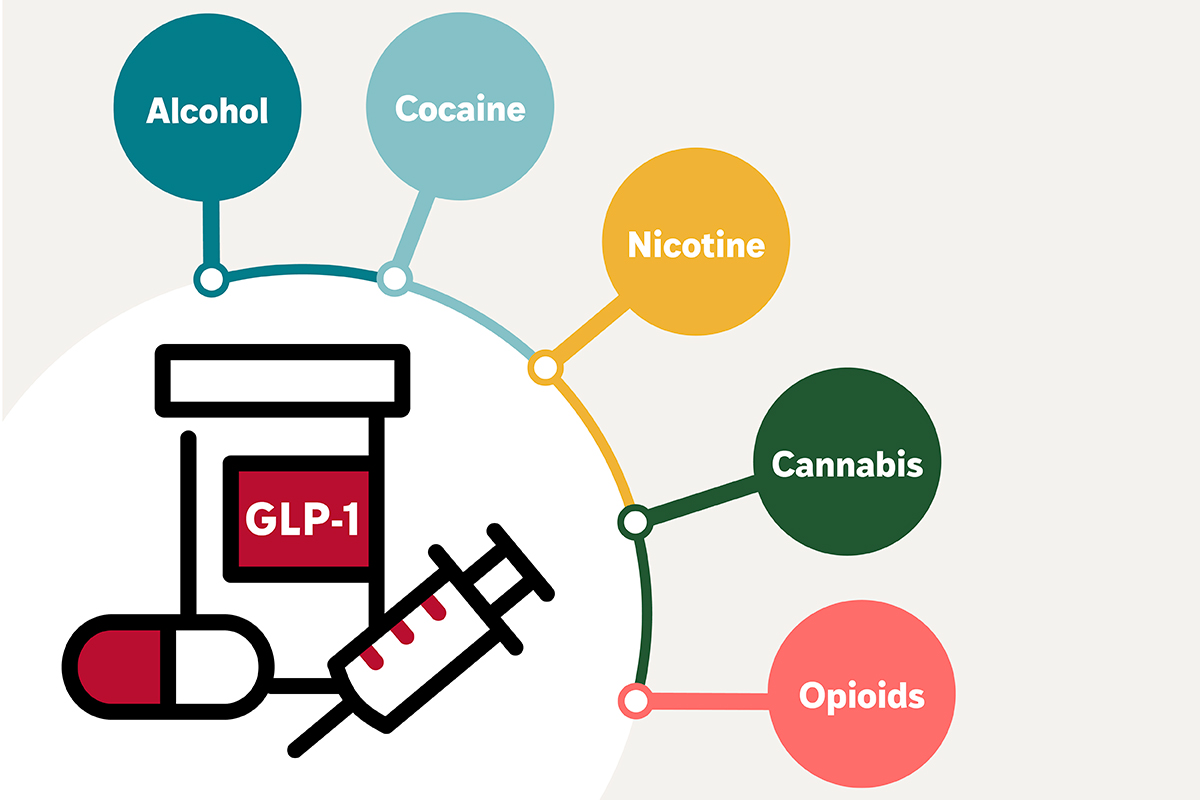
By focusing on restoring butyrate-producing gut bacteria, women can achieve: Better digestion & reduced bloating More stable energy levels Improved insulin sensitivity & weight management Enhanced mental clarity & mood stability Reasons For a Low GLP-1 and Butyrate Level in Women Chronic stress Diets high in processed foods and refined sugars Dysbiosis (Lack of butyrate-producing bacteria, low diversity) Endocrine disorders Frequent antibiotic use Hormonal fluctuations (e.g., perimenopause, menopause, PCOS) Inflammation Low resistant starch (e.g., green bananas, oats, beans) Low soluble fiber (e.g., apple, carrot, psyllium) Prolonged elimination diets Restrictive Diets Sedentary Lifestyle Sleep deprivation Symptoms of a Low GLP-1 and Butyrate This is a women-centric list of symptoms that can occur if GLP-1 and butyrate is low in the gut