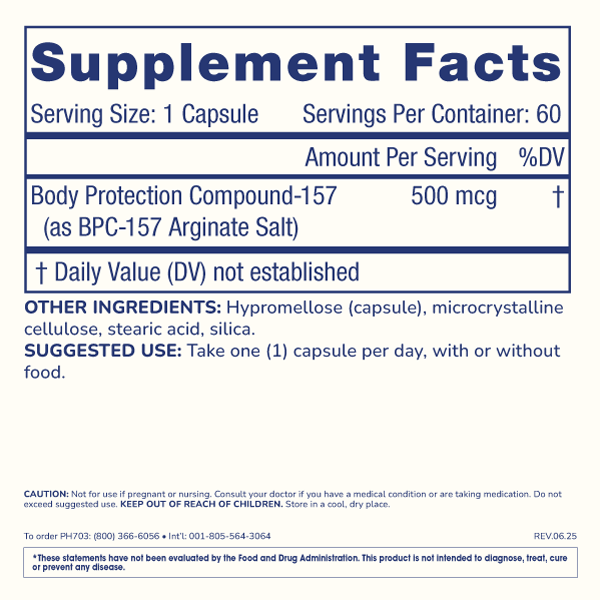
Gastrointestinal research is heavily weighted toward BPC-157, reflecting its origin as a gastric-derived peptide
Underlying Medical Conditions Liver disease Kidney disease Blood disorders Certain cancers 3
Therefore, in order to assure that the drug sensitivity range is covered in full, the IC50 concentrations of Be(2)-C cells for the 3 drugs were taken as a basis to treat all other cell lines
PubMed Central , Molecules (Basel, Switzerland) , vol
Routinely check your vitamin B12 levels through blood tests to ensure you are receiving the optimal amount and frequency of injections
Researchers have explored BPC-157 in studies involving: Cellular signaling pathways Molecular biology research Cytoskeletal organization Nitric oxide pathway signaling Extracellular matrix regulation Growth-factor communication networks Gastrointestinal biology models Tissue biology investigations Peptide stability investigations Rather than binding to a single isolated receptor, preclinical literature indicates that BPC-157 influences a cascade of molecular communication networks: VEGFR2 Activation and Angiogenesis: In vitro models demonstrate that BPC-157 upregulates the expression of Vascular Endothelial Growth Factor A (VEGF-A) and triggers the phosphorylation of Vascular Endothelial Growth Factor Receptor 2 (VEGFR2) (Hsieh et al., 2017)





&srotate=0)