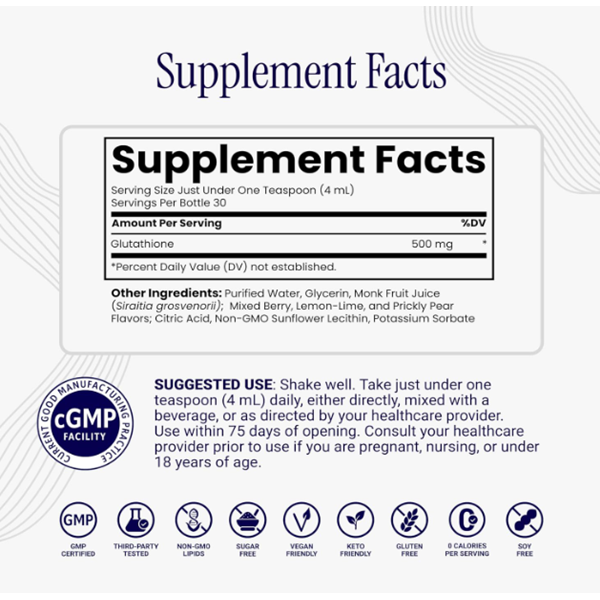
Glutathione is a powerful defense against toxins and inflammation
Changing Perspectives on HDL: From Simple Quantity Measurements to Functional Quality Assessment

Key Research Areas for Glutathione Intracellular redox status measurement GSH/GSSG ratio as a primary cellular oxidative stress index Oxidative stress induction and rescue assays GSH depletion (buthionine sulfoximine, BSO) and repletion studies Glutathione peroxidase (GPx) and glutathione reductase (GR) enzyme activity assays Glutathione S-transferase (GST) detoxification pathway research xenobiotic and electrophile conjugation studies S-glutathionylation and redox-regulated post-translational modification studies Nrf2/ARE pathway research transcriptional regulation of GSH synthesis and antioxidant gene expression Mitochondrial GSH pool studies mtGSH depletion, mitochondrial oxidative damage, and mtDNA protection research Cancer cell biology GSH-dependent drug resistance, ferroptosis pathway research, GSH-targeted therapeutic strategy studies Neurodegeneration pathway research GSH depletion in dopaminergic and other neuronal cell models Immune cell function GSH regulation of T-cell proliferation, cytokine production, and inflammatory signalling Lipid peroxidation and ferroptosis pathway studies GPx4-GSH axis research GCL/GS enzyme activity and GSH biosynthesis regulation studies in vitro What Do Studies Say About Glutathione

Choose a consistent injection time that works with your schedule
Strength training and consistent lifestyle habits accelerate visible results
And while they are effective, just like any medication, they may come with some side effects












:format(jpg)/d2lnr5mha7bycj.cloudfront.net/product-image/file/large_be89500a-e57e-45f9-b5ec-2b7154aadf27.png)