


Fermo I, D'Angelo SV, Paroni R, Mazzola G, Calori G, and D'Angelo A (1995)
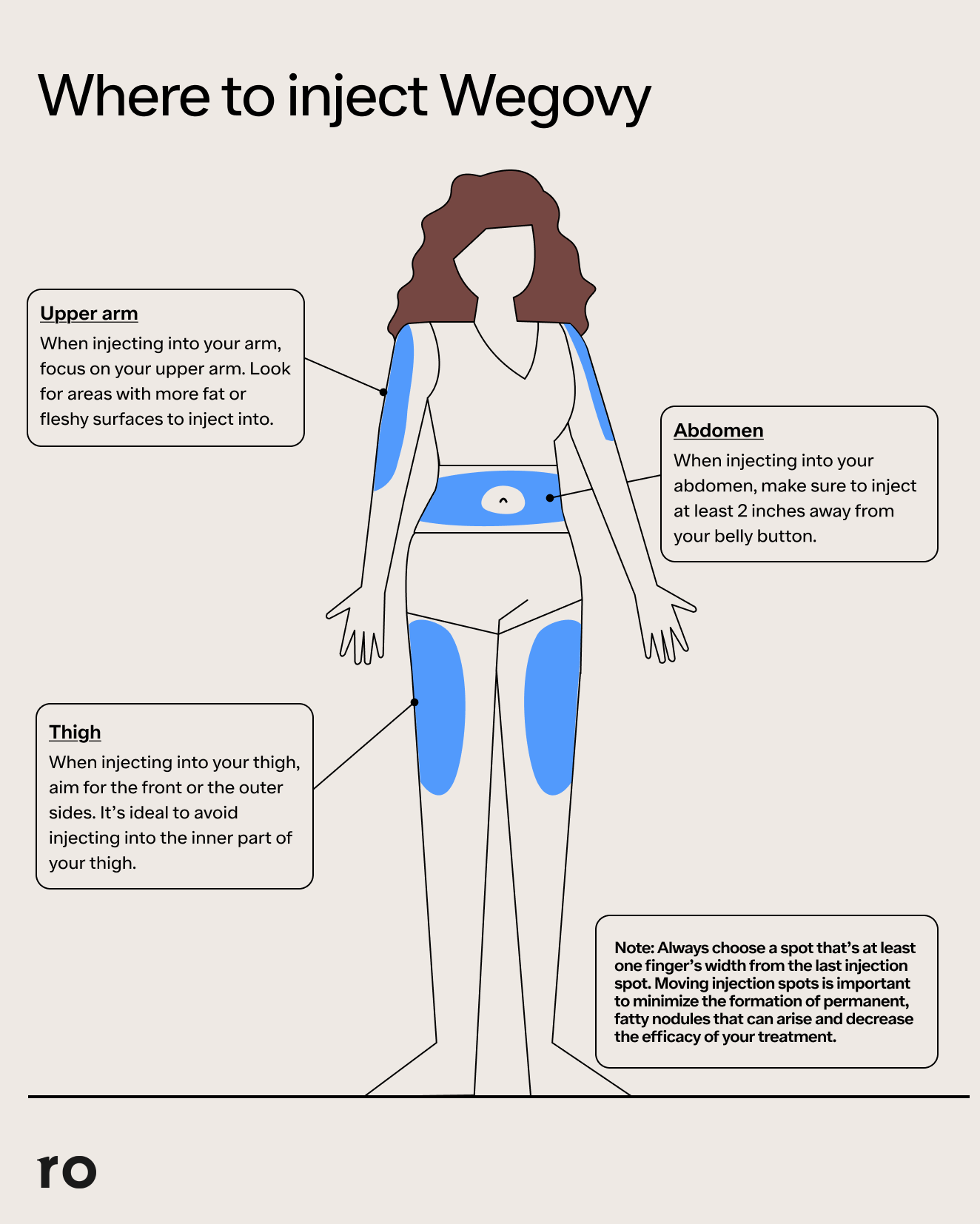
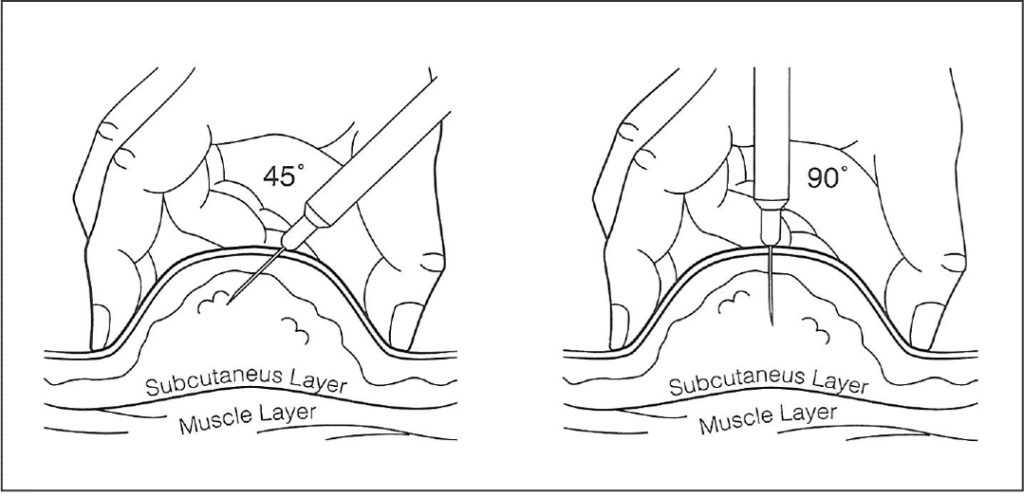
Many users inject TB-500 into abdominal subcutaneous tissue for convenience while targeting BPC-157 near the injured shoulder
After exposure to electrophilic or oxidative stress, the sensor residues cysteine of Keap1, especially C151, C226, C273, and C288, undergo oxidation and modification, causing conformational changes that inhibit Keap1-mediated NRF2 degradation [94]
These quality checks confirm four key characteristics to ensure safety and reliability
restoring the axis increased T-cell entry and tumor control, illustrating how tissue pH can indirectly govern T-cell access through epitranscriptomic wiring ( + infiltration and functionhighlights that immune-cell behavior in situ reflects both immune-intrinsic and tumor-extrinsic RNA marks
Markings include donor site boundaries for liposuction and specific injection targets on the face