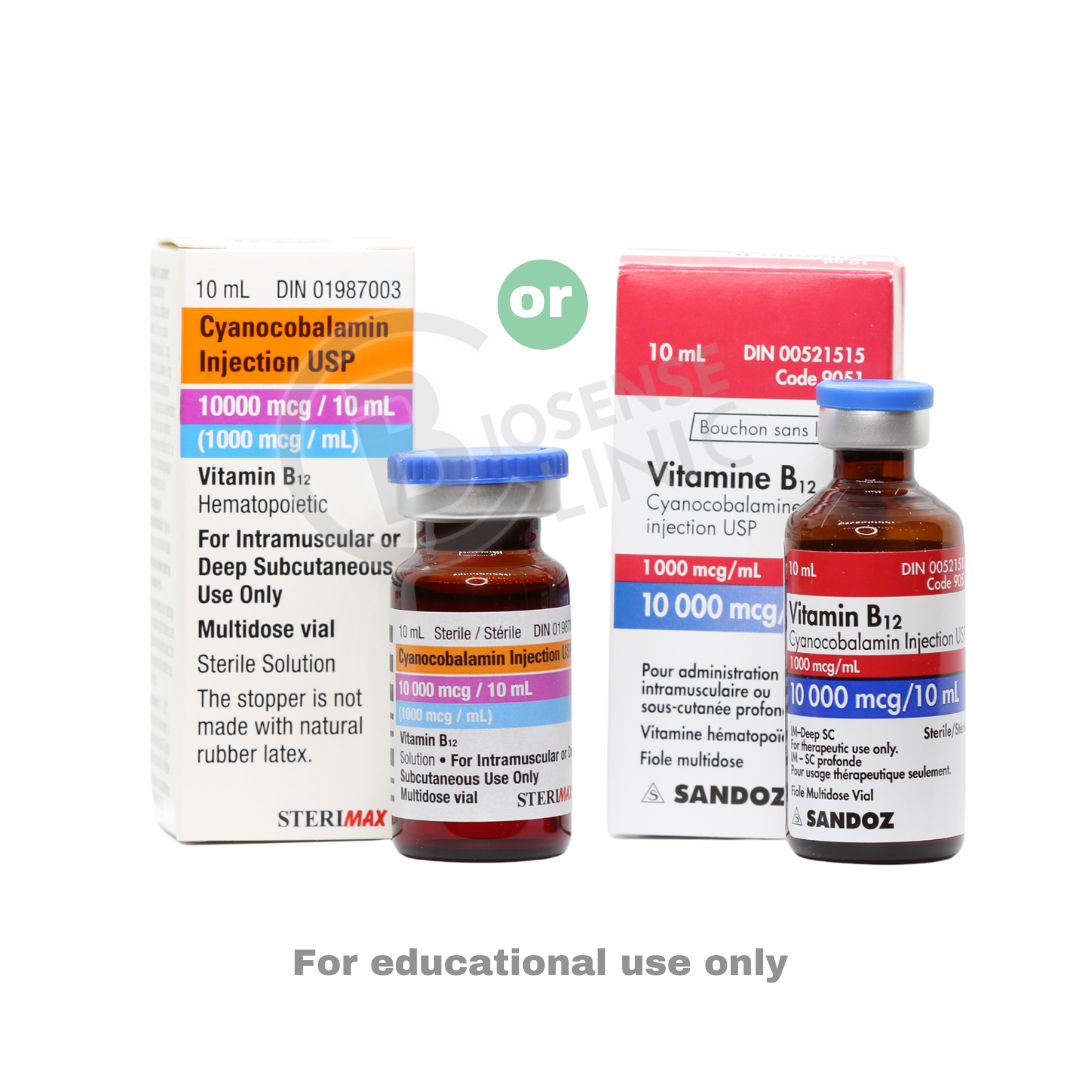
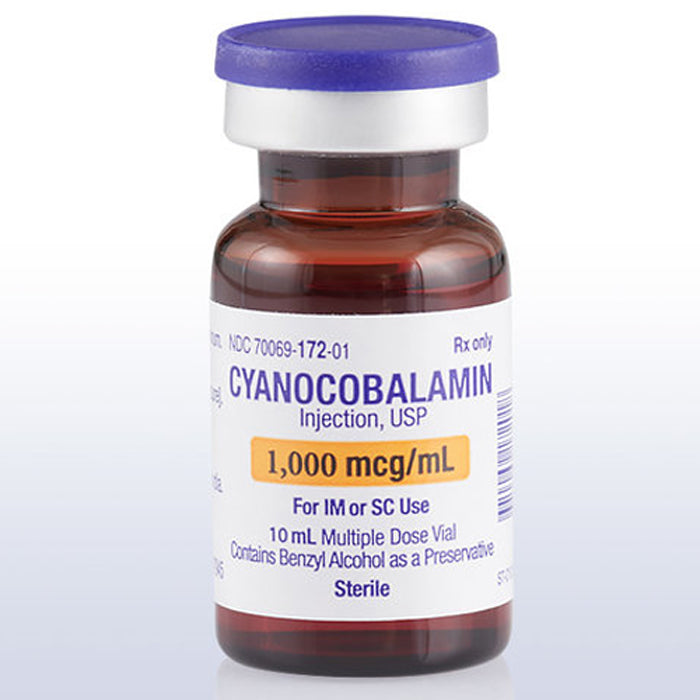
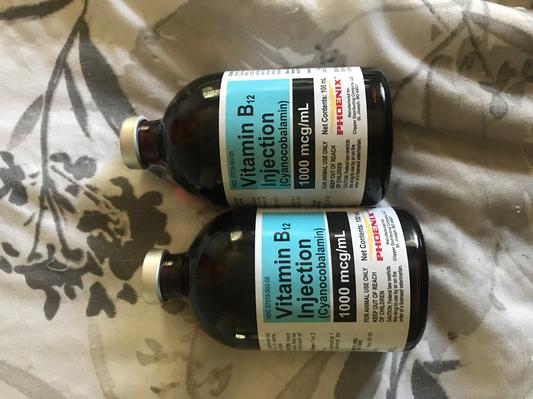
Overview Vitamin B12 (cobalamin) supplied as cyanocobalamin or hydroxocobalamin is a water-soluble vitamin and essential cofactor for DNA and RNA synthesis, red-cell production and nerve function
Although rare, adverse effects of high-dose vitamin B12 have been reported, including allergic reactions such as fever, rash, itching, hot flushes, dizziness, and nausea, across all cobalamin forms and administration routes ( Intramuscular (IM) injection is the most invasive and costly administration method, requiring trained personnel and clinical visits
Composition 5-amino-1MQ: 5 mg Appearance: lyophilized powder in a sealed research vial Research Focus (non-clinical) Investigation of NNMT inhibition and its downstream metabolic effects Studies on NAD+ metabolism and energy homeostasis in preclinical models Development of analytical methods for small-molecule quantitation Stability and solubility assessment of 5-amino-1MQ under laboratory storage conditions Documentation Lot-specific COA available Batch and lot traceability Important Notice For research use only Not for human consumption Not intended to diagnose, treat, cure, or prevent any disease Quality & Manufacturing Lot-specific COA Lyophilized for transit stability
Meditation for Migraines: A Pilot Randomized Controlled Trial. Headache, vol
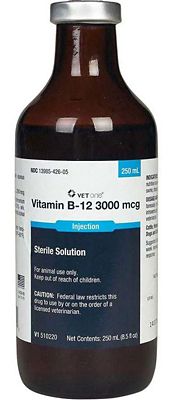
Cobalamin blood levels can be monitored, and many veterinarians prefer to check these levels at the time of diagnosis for GI disease, as well as periodically during treatment, to determine if B12 levels are remaining normal
Support for Red Blood Cell Production Another key benefit of B12 injections is their role in promoting red blood cell production