showed that changes in SDC-1 mechanical tension generate a tension gradient in SDC-1 under fluid shear force, with SDC-1 interacting differently with the cytoskeleton depending on substrate stiffness, affecting integrin-mediated signaling and focal adhesion formation [49]
Too little can lead to deficiency, while excessive amounts may cause unwanted side effects
Effect of liraglutide on ambulatory blood pressure in patients with hypertension and type 2 diabetes: A randomized, double-blind, placebo-controlled trial
Add to Favorites You Recently Viewed
Expert Consensus: American College of Physicians: GLP-1 receptor agonists should be considered for patients with obesity who have not achieved weight loss goals with lifestyle modifications. Endocrine Society: Semaglutide and tirzepatide represent significant advances in obesity pharmacotherapy and should be considered first-line options. Obesity Medicine Association: The dramatic efficacy of GLP-1 and dual agonist medications has fundamentally changed the treatment landscape for obesity. Real-World Effectiveness: Studies of patients using these medications outside clinical trials show: GLP-1s: Similar to clinical trial results (confirming real-world effectiveness) Older medications: Often less effective in real-world than trials (adherence issues) Patient satisfaction: Highest with GLP-1s Bottom Line: Which Works Best

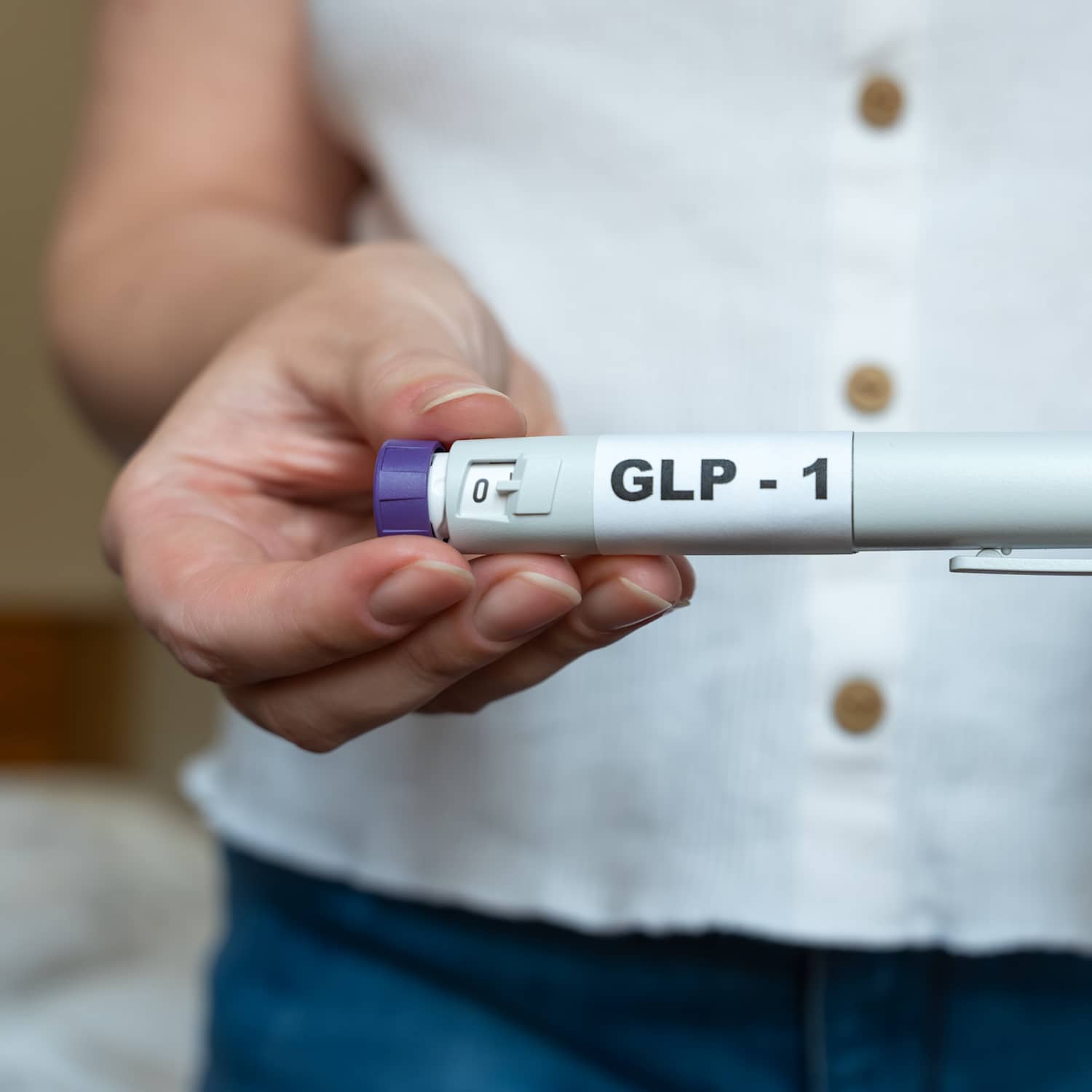
Many people taking GLP-1 medications report: Reduced thirst Decreased fluid intake Constipation Fatigue Headaches Recommended Water Intake A practical goal for most adults is: 80-120 ounces of water daily A more personalized recommendation is: Half your body weight in ounces of water per day Examples: 180 pounds = 90 ounces daily 220 pounds = 110 ounces daily Increase hydration if you: Exercise regularly Spend time outdoors Live in a dry climate Drink caffeine frequently Signs You Need More Water Headaches Fatigue Dark urine Dizziness Constipation Some patients struggling with hydration may benefit from IV Therapy to help replenish fluids and nutrients