Causes of insomnia may include: stress disruptions to the internal body clock, due to travel or work commitments poor sleep habits, such as an irregular bedtime schedule eating late in the evening mental health conditions, such as anxiety and depression neurodegenerative conditions, such as Alzheimers disease neurodevelopmental conditions, such as attention deficit hyperactivity disorder (ADHD) certain medications, such as those for depression, asthma, and high blood pressure sleep-related disorders, such as sleep apnea and restless legs syndrome consuming alcohol, nicotine, and caffeine Deficiencies or higher levels of the following vitamins may impact sleep: Vitamin D Studies indicate vitamin D levels also support pathways that regulate melatonin
Methylcobalamin is the activated, bioavailable form of vitamin B12 known for its ability to support brain health, nerve regeneration, and energy metabolism
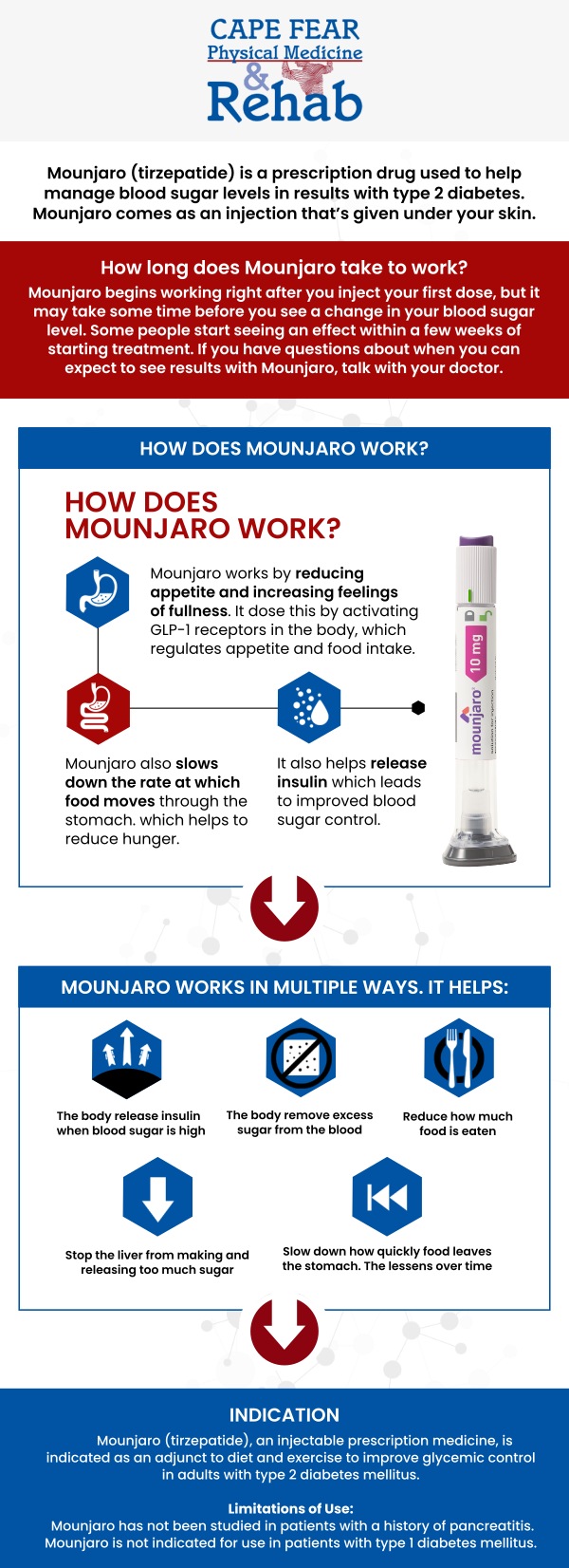
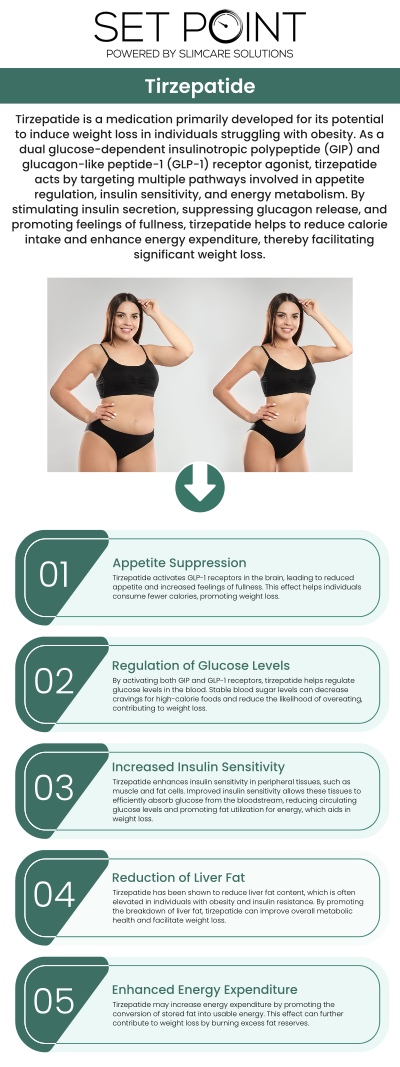
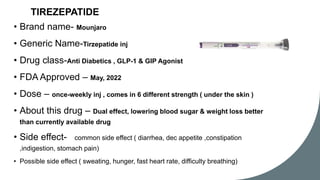
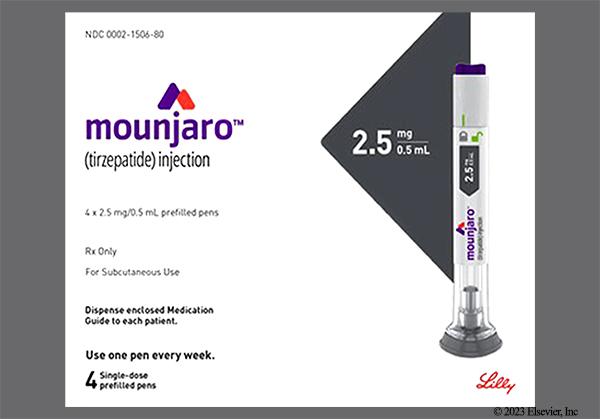
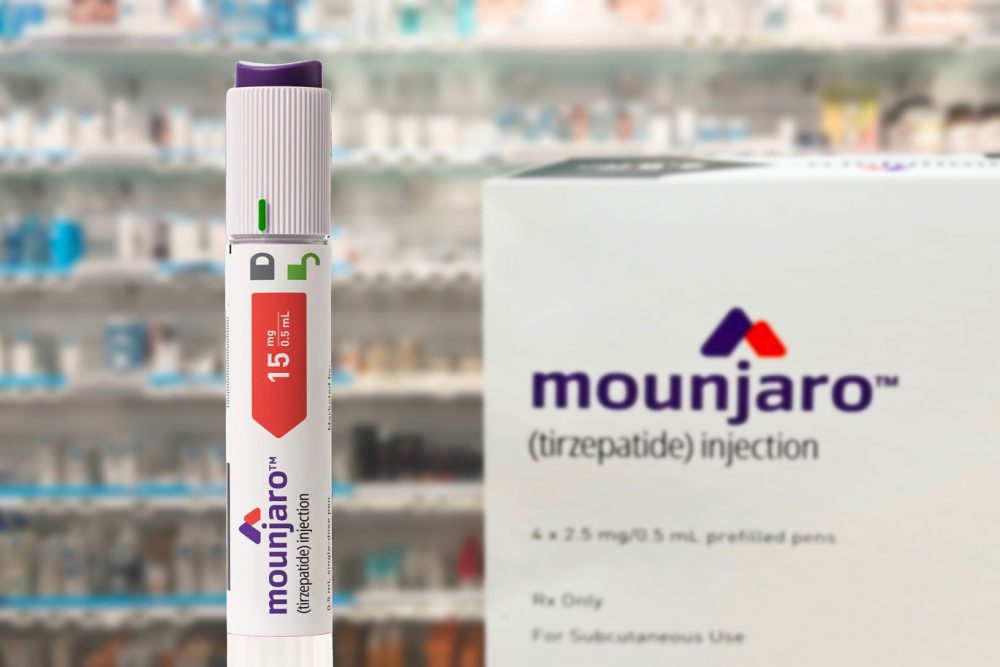
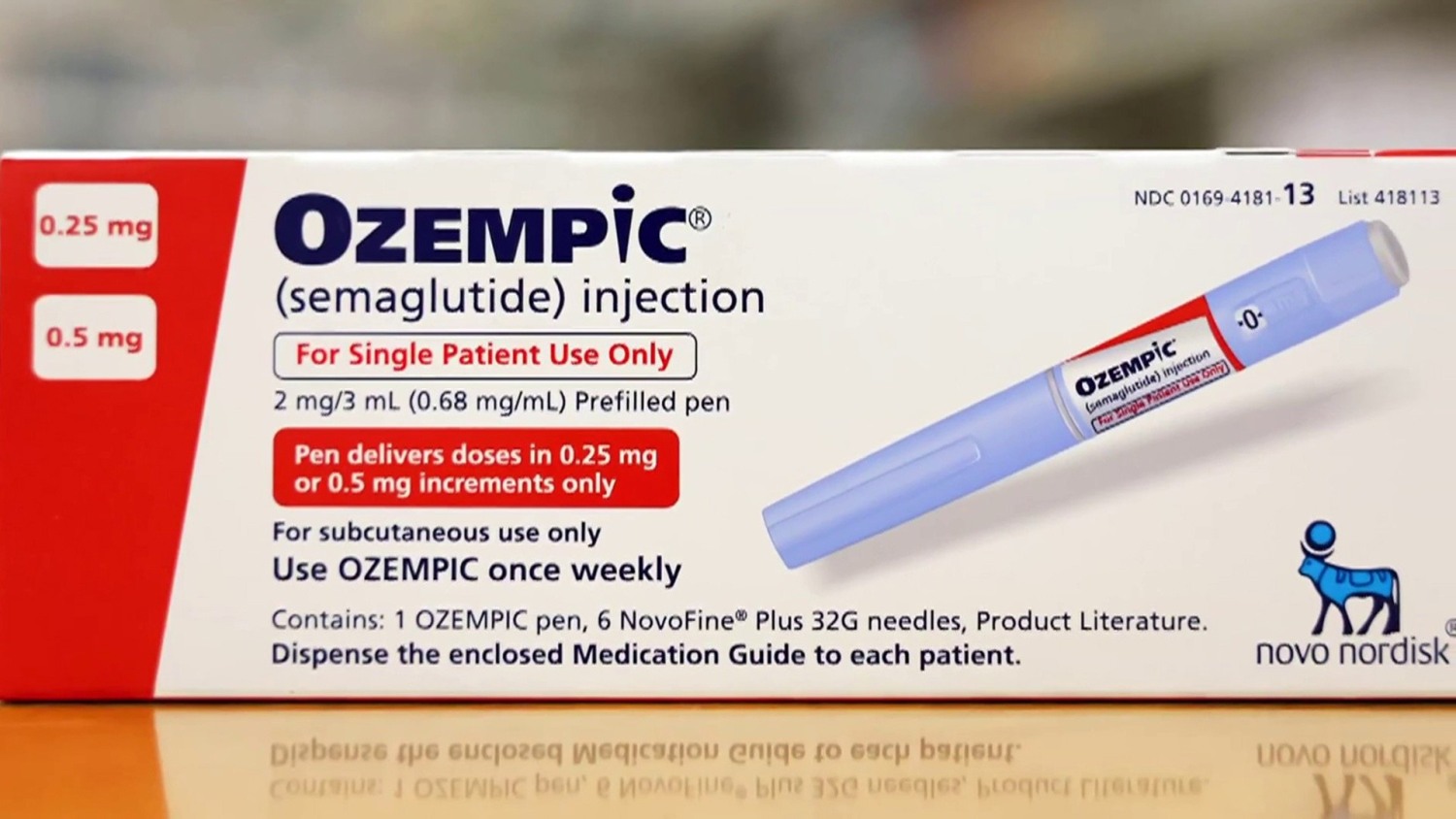
The FDA has issued specific alerts about compounded and grey-market GLP-1 products, particularly during periods when branded-drug shortages caused grey-market supply to expand rapidly
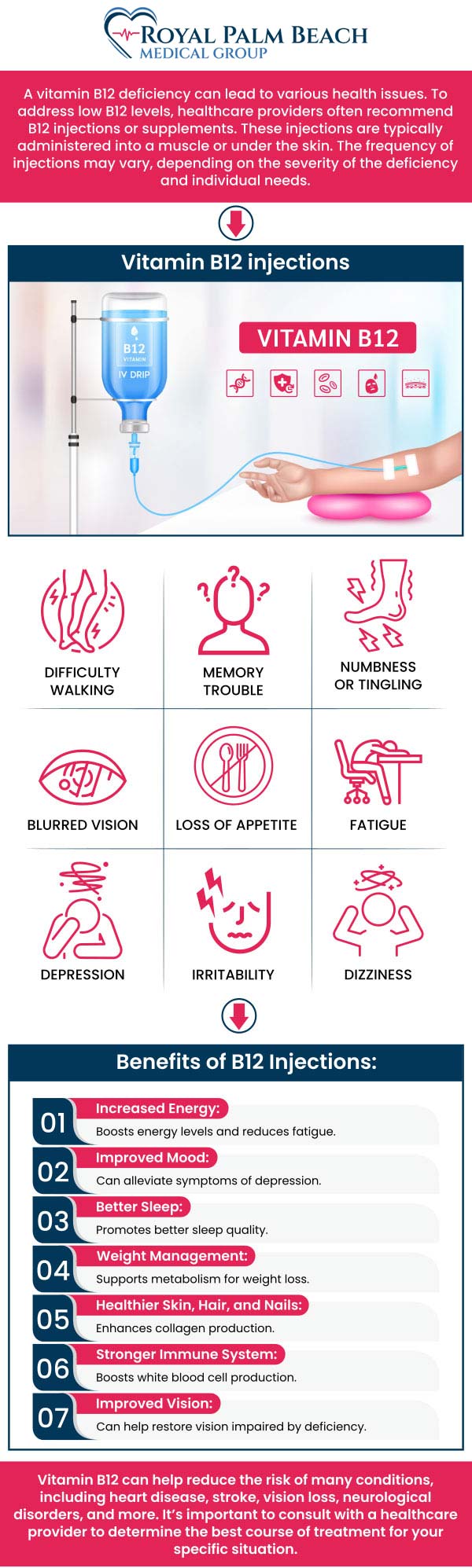
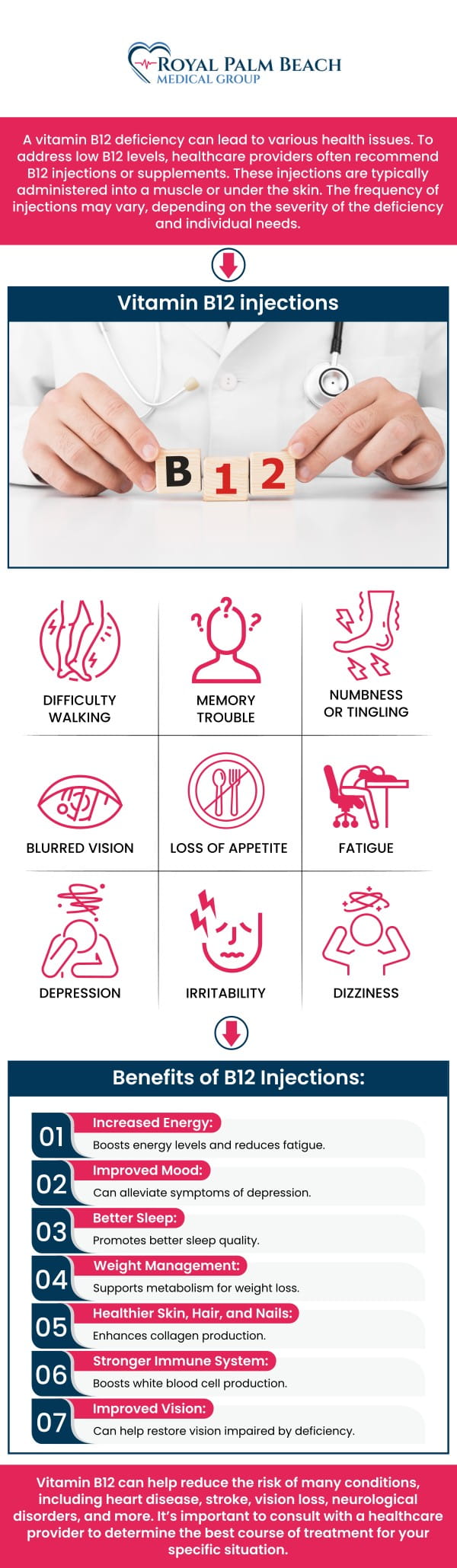
Research demonstrates that vitamin B12 is a critical part of energy production and metabolism
2024 Jul Katie is a qualified Naturopath (BNatMed) and freelance writer from New Zealand
Consider these crucial factors: Check regulatory certifications











![LE PILOTE D'EDELWEISS - WALBURGA (Tome 3) [COCKPIT COLLECTION] il nous relate divers récits de pilotes et d'équipages français pendant la Seconde Guerre mondiale.](https://cdn.shopify.com/s/files/1/0270/3015/9446/products/IMG_5069_d388f2b2-61ad-4b53-8f3b-3b0123d69ebf.jpg?v=1678622505)


