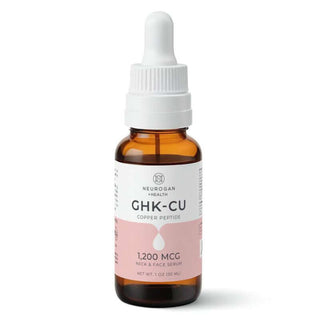
It is often categorized as a multi-component peptide blend, developed to support investigations into cellular communication, molecular pathways, and GHK-Cu Peptide Research Overview, Mechanism, Applications & Safety Information April 11, 2026 Introduction GHK-Cu (Glycyl-L-Histidyl-L-Lysine Copper) is a naturally occurring copper-binding tripeptide that has attracted significant attention in biochemical and dermatological research
So the honest asymmetry runs opposite to how it's often presented: topical is frequently framed as the compromise route people settle for when they can't access "the real thing," when it's actually the route with the deeper human evidence behind it
Calculate volume: Dose concentration = volume to inject
Research Use Limitation Used solely for in vitro experiments Not permitted for clinical trials involving humans Not permitted for human or veterinary administration Not permitted for investigational human use Verified and analysed with Liquilabs s.r.o
This is a fundamental red flag that experienced researchers know to watch for
Walking, swimming, and cycling are generally well-tolerated by neuropathy patients